
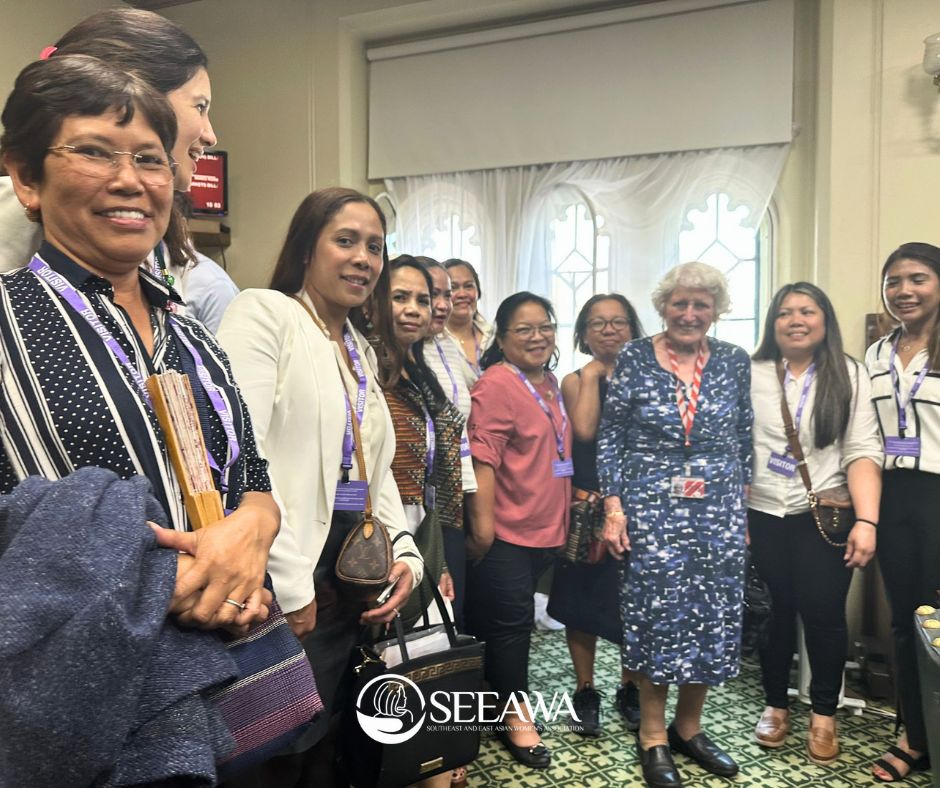
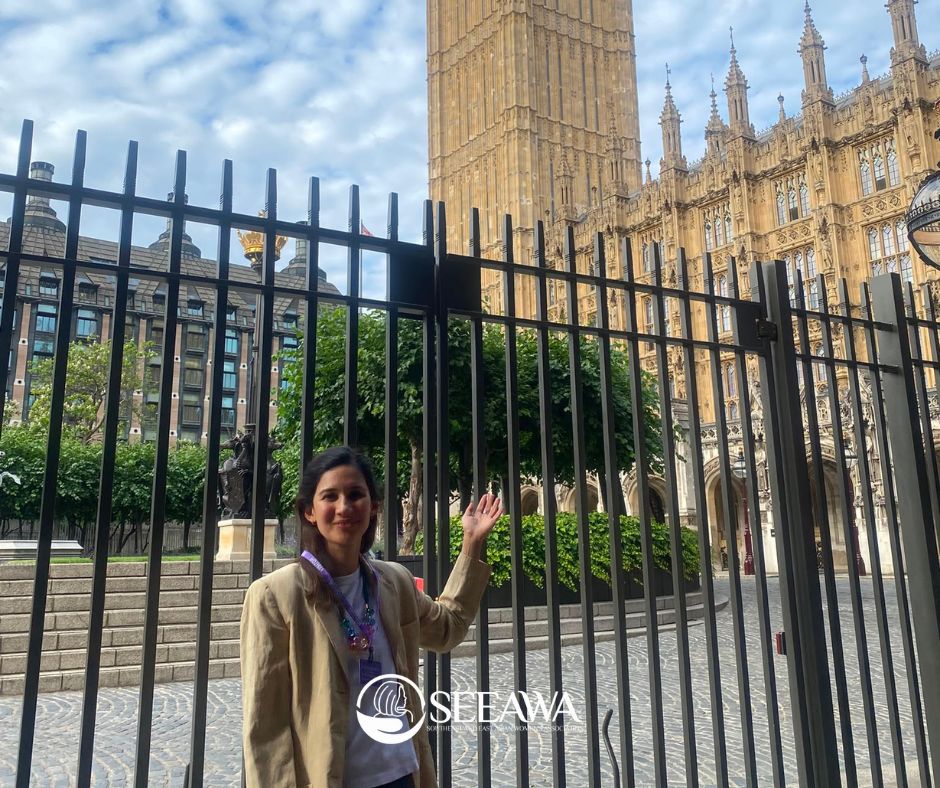
On Monday, 29 June 2026, the Southeast and East Asian Women’s Association (SEEAWA) brought vital conversations regarding modern-day slavery, systemic exploitation, and migrant domestic workers directly to the heart of British democracy. Held in Committee Room 18 at the Palace of Westminster, our parliamentary event served as an urgent platform to demand systemic change, break down long-standing barriers, and—most importantly—center the lived experiences of women whose labor too often remains unseen and unprotected.
We owe an immense debt of gratitude to Liam Conlon MP and his office for generously hosting us in Parliament, ensuring that the realities facing Southeast and East Asian migrant workers were heard by policymakers.
Key Highlights & Research Insights
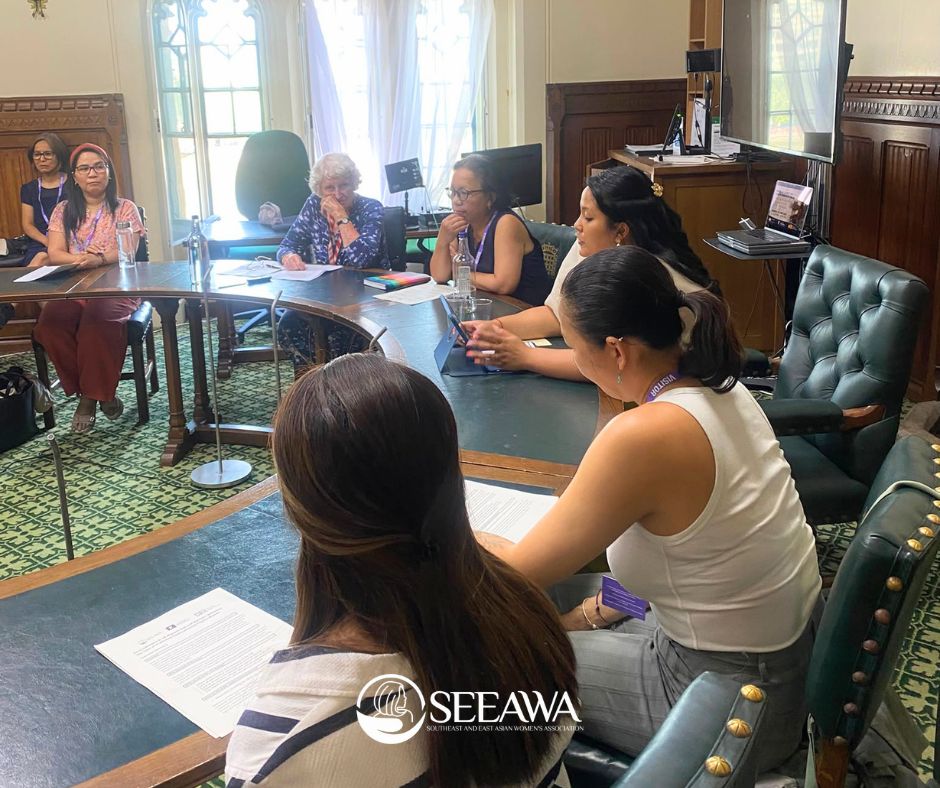
The afternoon featured critical presentations and discussions examining the structural vulnerabilities embedded in current migration and labor frameworks:
Unveiling Research from the University of Nottingham: Academic researchers presented data illuminating the systemic vulnerabilities that trap migrant domestic workers in conditions close to modern-day slavery. The findings exposed how exclusionary visa systems and precarious employment protections create environments ripe for coercion, isolation, and wage theft.
A Powerful Panel Discussion: Chaired by Councillor Lotis Bautista to foster rigorous dialogue, our expert panel featured prominent voices including Baroness Butler Sloss, representatives from Unite alongside dedicated advocates from domestic worker grassroots organisations such as Voice of Domestic Workers, UDWA; charities and organisations involved with human rights, including Kalayaan, Salvation Army; lawyers, businesses, journalists and students. The panel unpicked the legal and economic mechanisms that allow exploitation to persist behind closed doors, emphasizing that modern slavery is fundamentally a financial and human rights crisis rather than merely an immigration issue.
Hearing the Voices of Women: The most resonant moments of the day belonged to the women themselves. Hearing testimonies directly from workers laid bare the psychological toll of isolation, the fear of destitution, and the courage required to speak out against abusive employers.
Core Policy Takeaways
Discussions throughout the afternoon coalesced around two urgent, non-negotiable priorities for reform:
1. Abolishing the “Tied Visa” System: The current Overseas Domestic Worker (ODW) visa ties a worker’s legal status strictly to a single employer, effectively trapping victims of abuse. Workers cannot leave dangerous environments without immediately facing criminalization or immigration penalties.
2. Reforming the National Referral Mechanism (NRM) Dead-End: Even survivors who receive a “Conclusive Grounds” decision via the NRM face a devastating cliff-edge deportation after just two years, with no clear pathway to settlement. Without Indefinite Leave to Remain (ILR), traffickers maintain psychological leverage over victims. We continue to urge a return to pre-2012 rules—allowing workers to change employers, extending initial visas to 2.5 years, and providing a secure route to settlement.
What Happens Next?
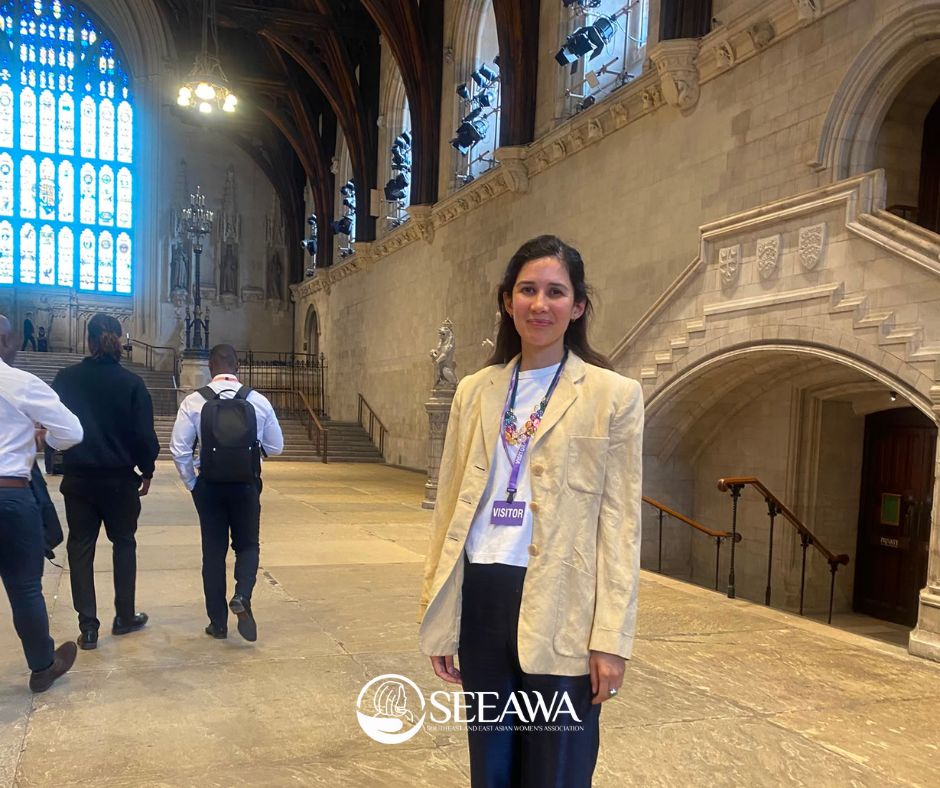
The momentum generated within the Houses of Parliament on 29 June does not stop at the Palace gates. SEEAWA, alongside our coalition partners and grassroots allies, is translating the day’s insights into direct advocacy:
Parliamentary Follow-Ups: We are continuing our dialogue with Liam Conlon MP and parliamentarians across parties to press for legislative amendments addressing tied visas and worker protections.
Community-Led Support: We are expanding our outreach to ensure that migrant women know their rights, have access to trusted legal networks, and find immediate community solidarity.
Amplifying the Movement: We invite all members, allies, and supporters to stay engaged as we push for accountability, transparency, and structural reform at the national level.
Thank you to everyone who attended, supported, and lent their voice to this vital cause. Together, we are turning invisibility into visibility, and vulnerability into collective strength.