
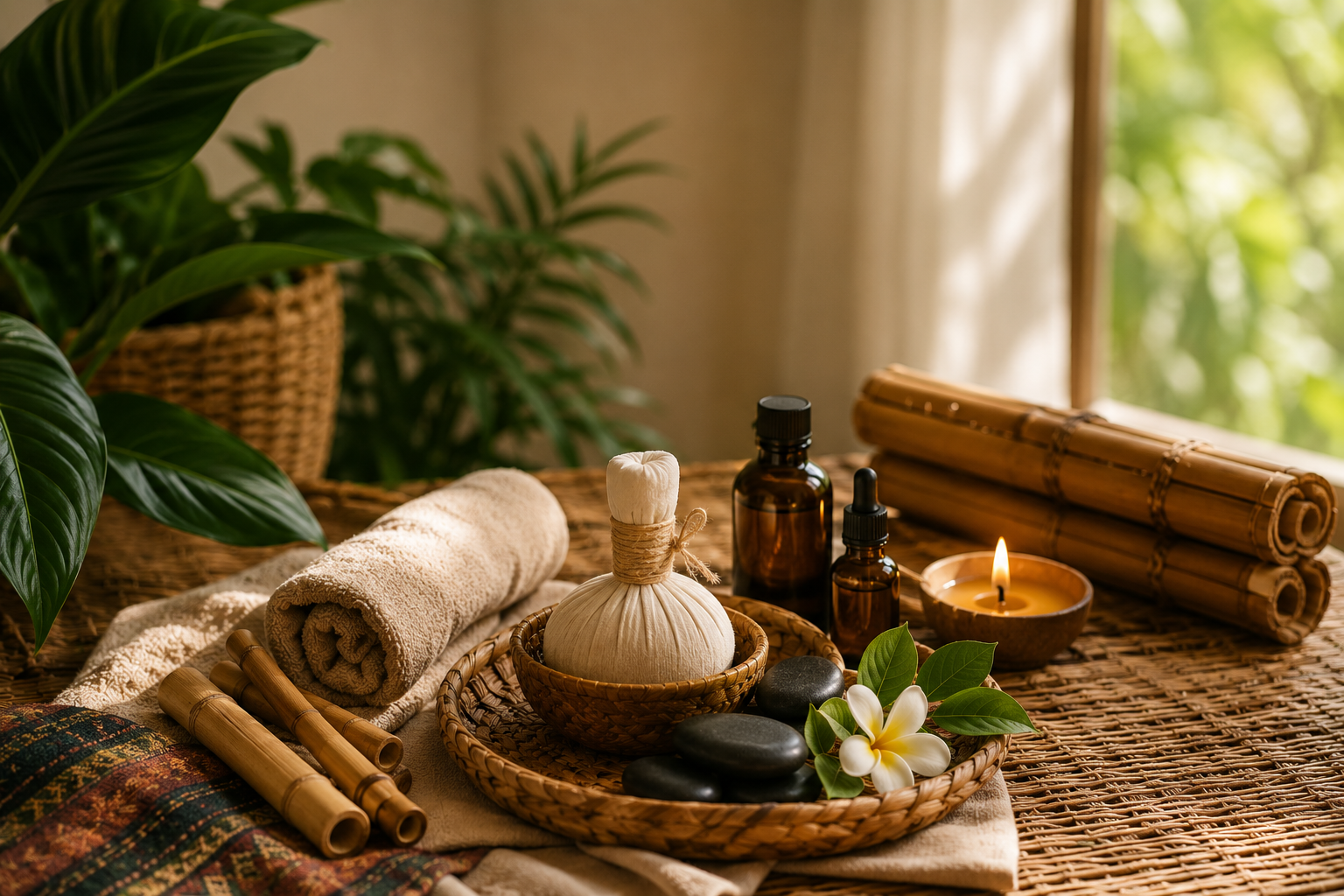
We are thrilled to spotlight Panubli, an inspiring social enterprise founded by our brilliant SEEAWA colleague, Jutheanne!
Panubli, in collaboration with SEEAWA, has launched an innovative pilot programme to train women in Hilot—the ancient, traditional Filipino art of wellness, massage, and bodywork. What it teaches goes far beyond technique. This pilot does something profoundly beautiful: it offers women this deeply rooted healing practice as a tool to recover from domestic violence, while simultaneously paving a pathway toward financial independence and professional empowerment. Panubli means “inheritance” in the Visayan dialect. A tradition passed down directly from her one lineage of grandmothers.
The Power of Hilot: What Science and Tradition Tell Us
For centuries, Hilot has been used in the Philippines as a holistic system of care, treating the body, mind, and spirit as an interconnected whole. Through techniques like Hagod (long, stroking pressure) and Pindot(targeted acupressure), Hilot helps to release “lamig” (physical and energetic blocks) and restore natural balance.
Academic and clinical research heavily supports this kind of somatic (body-based) approach to trauma recovery.
- Somatic Trauma Release: The body remembers. Trauma and emotional distress don’t stay in the mind alone. Studies in psychology and neurobiology show that trauma and emotional distress are physically stored in our nervous systems and muscle tissue. While traditional talk therapy is incredibly valuable, physical practices like therapeutic touch and massage are clinically proven to lower cortisol (stress hormones), soothe the sympathetic nervous system, and help survivors of trauma safely reconnect with their bodies.
- Indigenous Psychology as Resistance: Academic movements in Asian Indigenous Psychology highlight how returning to precolonial, culturally rooted healing methods allows communities to heal on their own terms. It bypasses rigid Western medical frameworks, creating a deep sense of pride, identity, and collective resilience.
Building Financial Freedom through Social Enterprise
Sovereignty, Built Through the Body. What makes Panubli revolutionary is what it refuses to be: a short-term fix. Instead, it hands women — many of them survivors of abuse and exploitation — a skilled, professional trade they can carry for life.
By certifying and training women in this traditional modality, the initiative models a path to true financial autonomy. It allows women to generate their own income, reclaim control over their lives, and build a career that is inherently grounded in care, community, and cultural heritage. It is a tangible example of what “joy and resistance” looks like in practice!
A Circle to Belong To
This work lives inside the SEEAWA Community Healing Circle, the first home for Panubli, and the space holding this inheritance as it grows.
Our pioneer cohort, Kalinga Circle, has already begun. A waitlist is now open for the next cohort if you’d like to join, email us at info@seeawa.org.uk.
And if you simply want to stand behind this initiative as a member and help it grow, we’d love to have you. Reach out to info@seeawa.org.uk to become a member of the Circle.
Whether you want to learn more about their training pilot, book a deeply restorative massage session, or simply show your solidarity, we highly encourage the SEEAWA community to show up and support.
Experience Panubli This Summer & Autumn!
You can learn more about the training pilot and support the initiative directly at two upcoming festivals, where Panubli will share collaborative, public-facing spaces:
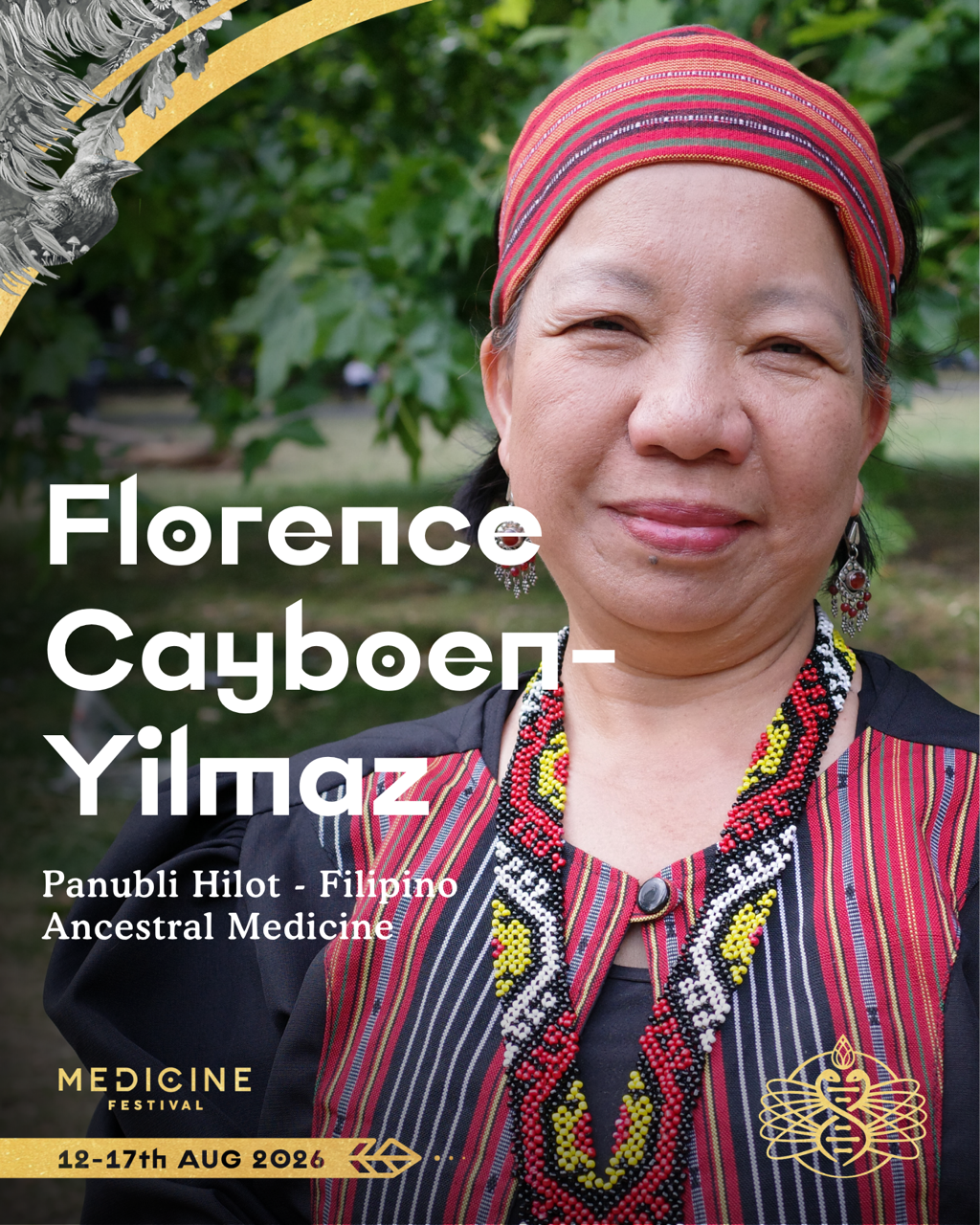
- Medicine Festival: 12–17 August 2026 Panubli stand-alone event
- ESEA (East and Southeast Asian) Festival in Battersea: 11–13 September 2026 Panubli in collaboration with SEEAWA event
Keep an eye on our social media updates, follow @panublihilot on Instagram, and come find us at the festivals. Your presence is part of how this grows.