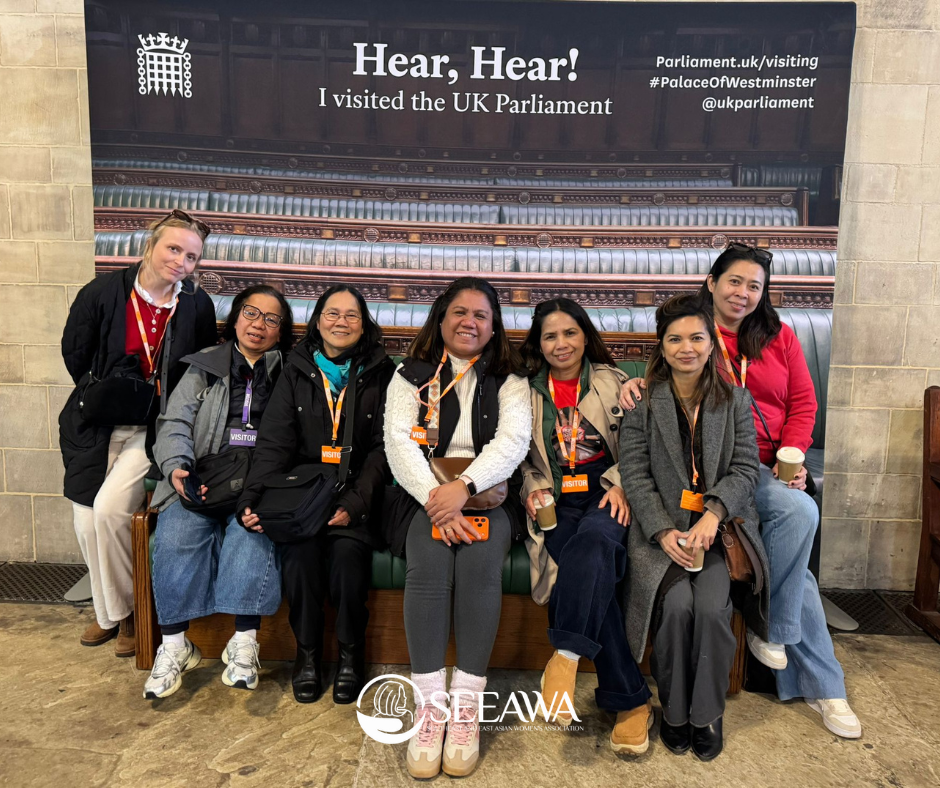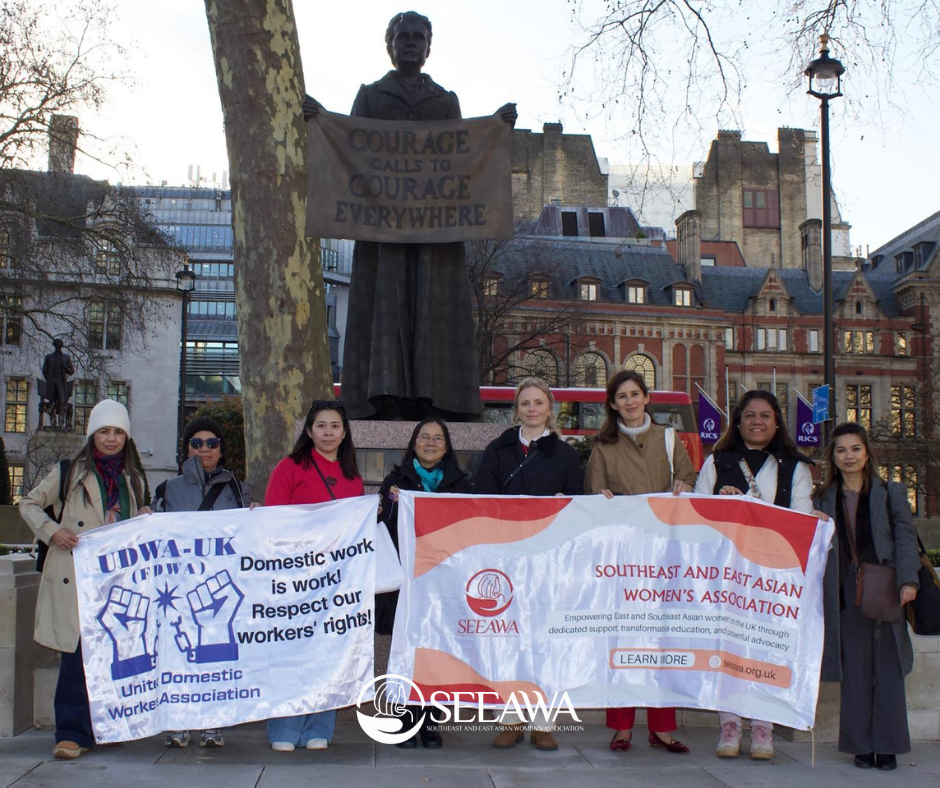
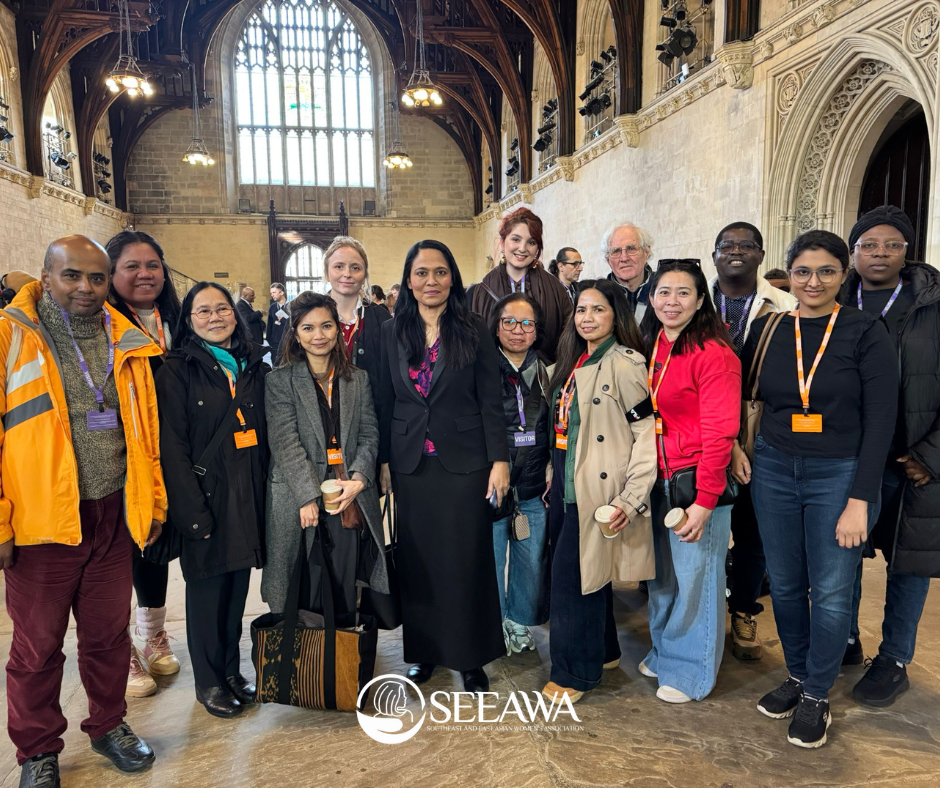
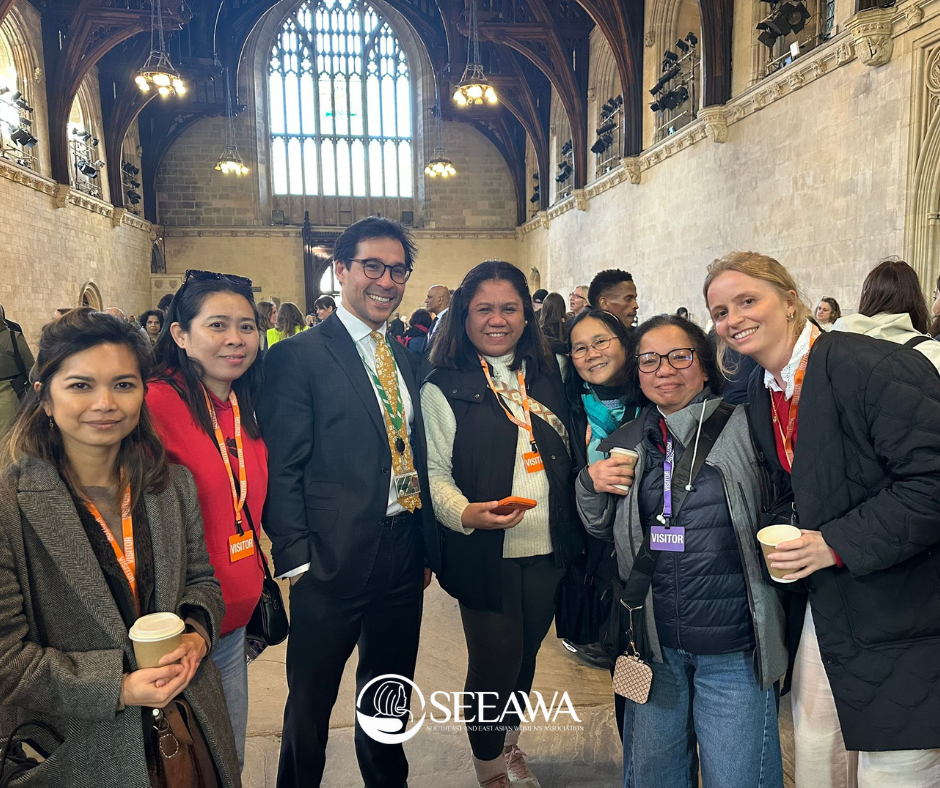
This month, the South East and East Asian Women’s Association (SEEWA) took a decisive step forward in our mission to protect and empower our community. Our representatives walked the halls of Westminster to meet with key policymakers, including Liam Conlon MP, Tony Vaughan MP, Rushanara Ali MP, and the parliamentary researcher for Dr. Luke Evans.
Our message was clear: the White Paper proposals will harm women and girls and leave them vulnerable for further abuse and exploitation. Furthermore, by leaving survivors of modern slavery and domestic abuse with no viable path to long-term safety, the system provides abusers with the ultimate tool of coercion—the threat of deportation.
Here are the two priority areas we brought to the heart of government:
1. Ending the “Tied Visa” & NRM Dead-End
The current Overseas Domestic Worker (ODW) visa is, in practice, a trap. When a woman’s legal status is tied strictly to one employer, fleeing abuse becomes a “crime” in the eyes of immigration law. Even those who receive a “Conclusive Grounds” decision via the National Referral Mechanism (NRM) face a cliff-edge deportation after just two years.
- The Issue: There is currently no pathway to settlement for these survivors. Without the hope of Indefinite Leave to Remain (ILR), traffickers maintain psychological control, telling victims that the British state will simply discard them once their short-term visa expires.
- Our Recommendation: We urged the MPs to support a return to pre-2012 rules. This includes allowing domestic workers to change employers and extending initial visa durations to 2.5 years to facilitate genuine escape and recovery. Crucially, we are calling for a clear route to settlement for trafficking survivors.
2. Closing the “3-Month Cliff” for Domestic Abuse Survivors
For ESEA women on dependent visas or those who are unmarried, fleeing an abusive home often means jumping off a legal cliff. The current Migrant Victims of Domestic Abuse Concession (MVDAC) lasts only three months—a timeframe that is nowhere near enough for a stay-at-home mother to rebuild her life.
- The Issue: Currently, only women married to British nationals are generally eligible to apply for ILR under domestic violence rules. For many ESEA mothers, this “cliff-edge” risks the unthinkable: being forced to choose between staying with an abuser or being deported and separated from their British children.
- Our Recommendation: We proposed an expansion of ILR eligibility to include victims of gender-based abuse on all partner visa types, including those on dependent visas and trafficked domestic workers. Safety should not be a privilege reserved only for those with a specific marriage certificate.
“We are not just asking for policy changes; we are asking for the right to safety without the shadow of a ‘dead-end’ visa hanging over our heads.”
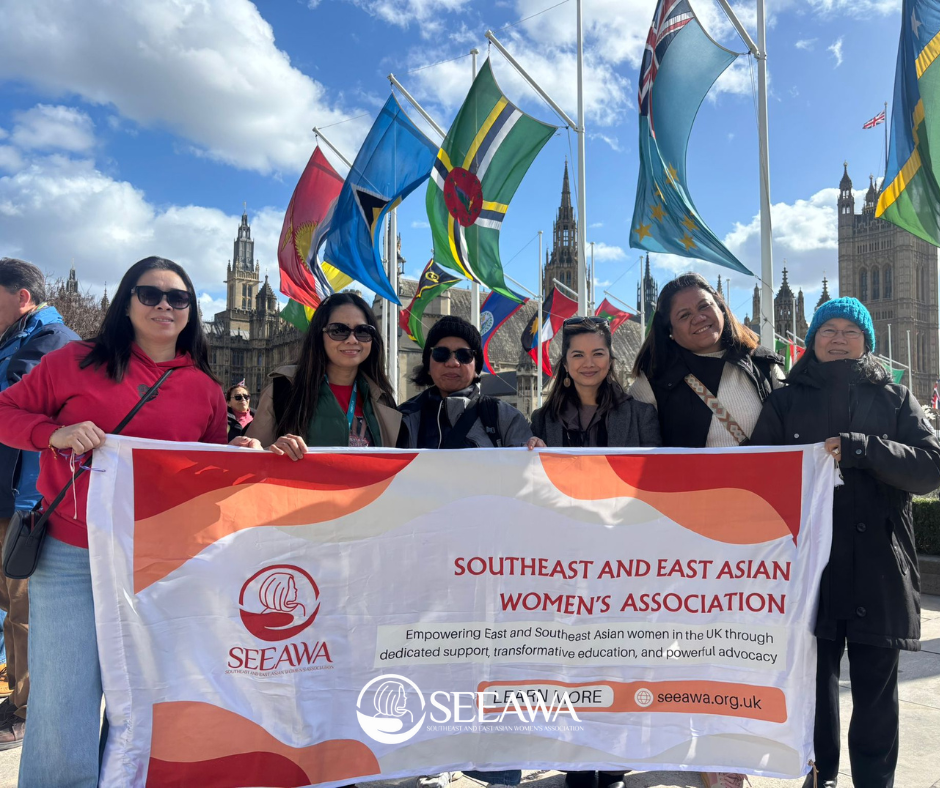
Moving Forward
The reception from the MPs and their teams was productive. They listened to the lived experiences of our community and acknowledged the gaps in current protections. However, the work doesn’t stop here. SEEWA will continue to provide evidence, share stories, and lobby until “safety for all” is a reality.
How you can help: Stay tuned for our upcoming “Write to Your MP” campaign kit, where we will provide templates for you to share these recommendations with your local representatives.