

For years, the South East and East Asian Women’s Association (SEEAWA) has been a sanctuary where we share our strengths, nourish our spirits, and support one another through the complexities of life in the UK. But as we look at the shifting landscape of British immigration policy, it is clear that individual resilience is no longer enough. To truly protect our community, we must move from surviving the system to changing it.
This March, SEEAWA is taking our message directly to the heart of power. We are heading to Westminster to lobby Members of Parliament as part of a greater coalition of migrant charities. We aren’t just going to tell our stories; we are going to demand a dismantling of the “Hostile Environment” and a total rethink of the government’s latest proposals.
The Threat: The “Earned Settlement” Model
In November, the Government unveiled a White Paper outlining a new “earned settlement” model. While the title sounds meritocratic, the reality is a regressive system that treats human rights as something to be bought.
Under these proposals, the baseline for permanent residency (Indefinite Leave to Remain) would double from five years to ten years. To “earn” the right to stay sooner, migrants must meet high salary thresholds or advanced language requirements. This is not a “fairer pathway”; it is a system designed to exclude.
Why This Hits Our Community Hardest
The implications for ESEA women and their families are devastating:
- Poverty by Design: The expansion of the No Recourse to Public Funds (NRPF) condition means thousands of families—including those with British children—will be barred from the basic safety net we all pay into. By extending the wait for settlement, the government is effectively pushing thousands of children into avoidable poverty.
- Moving the Goalposts: These changes are set to apply retrospectively. Women who moved here under one set of rules, planning their lives and their children’s futures, suddenly find the finish line has been moved miles away. This creates a state of permanent “legal limbo” and profound mental distress.
- Devaluing “Essential” Work: The model explicitly penalizes those in low-skilled or care roles. Many ESEA women form the backbone of the UK’s social care and service sectors. To label this work “low-skilled” and force these women into 15-year waits for settlement is a slap in the face to those who kept this country running during its darkest hours.
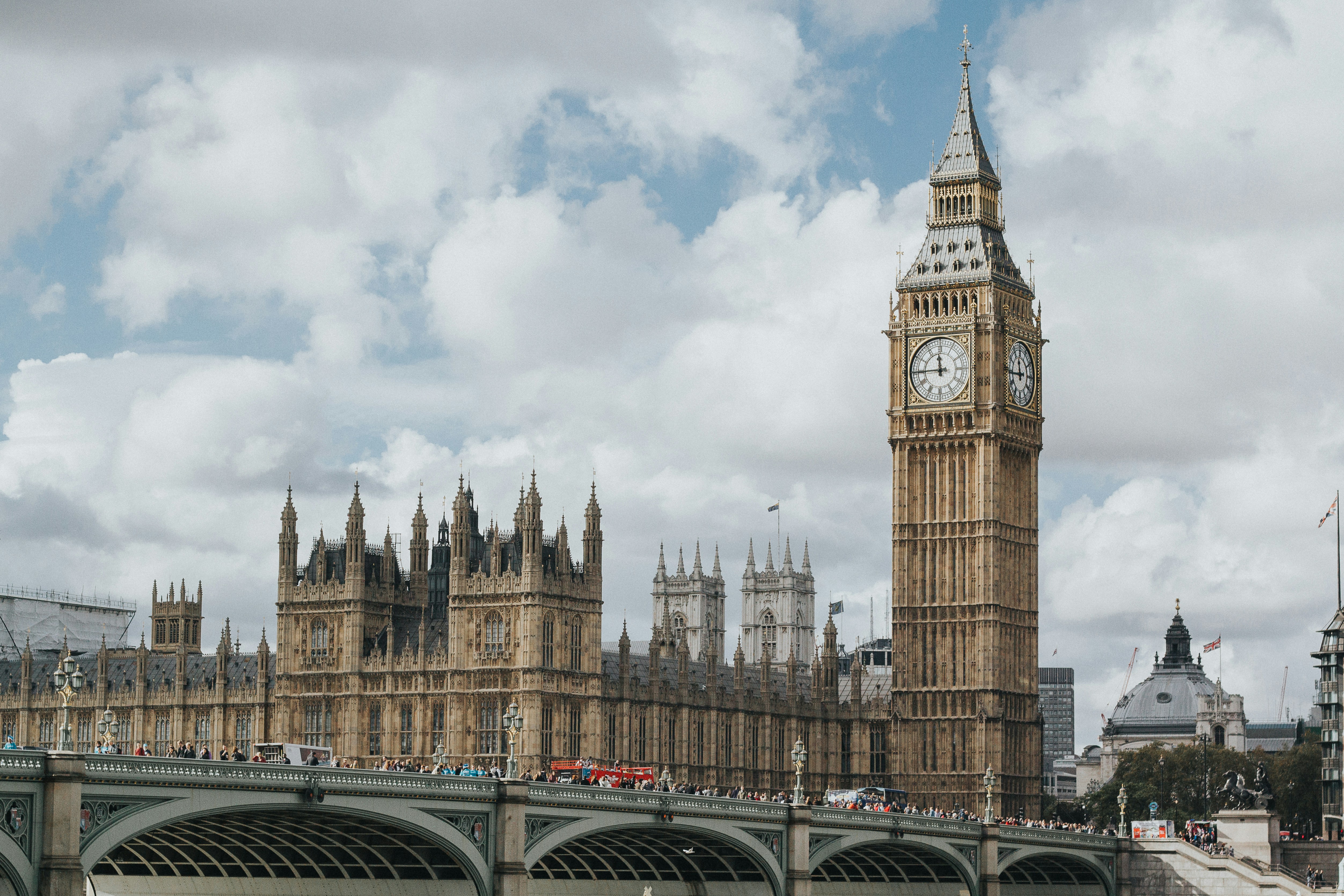
Our Mission in Parliament
Our lobbying event in March is a critical moment for SEEAWA. We will be meeting with MPs to voice our opposition to the White Paper and to explain how these “hostile” policies intersect with the specific challenges ESEA women face—including linguistic barriers, workplace exploitation, and the unique sting of racialized misogyny.
We are seeking Systems Change. This means:
- Abolishing the 10-year baseline for settlement and returning to a fair, 5-year route.
- Ending the NRPF condition for families with children to ensure no child goes hungry due to their parents’ immigration status.
- Scrapping retrospective changes to ensure the law provides certainty, not instability.
How You Can Help
The “earned settlement” model assumes that our value is defined only by our taxable income. We know our value lies in our community, our care, and our culture.
Would you like to join our delegation to Parliament? If so, please email sarahreid@seeawa.org.uk. Together, we can ensure that the voices of ESEA women are not just heard, but acted upon.